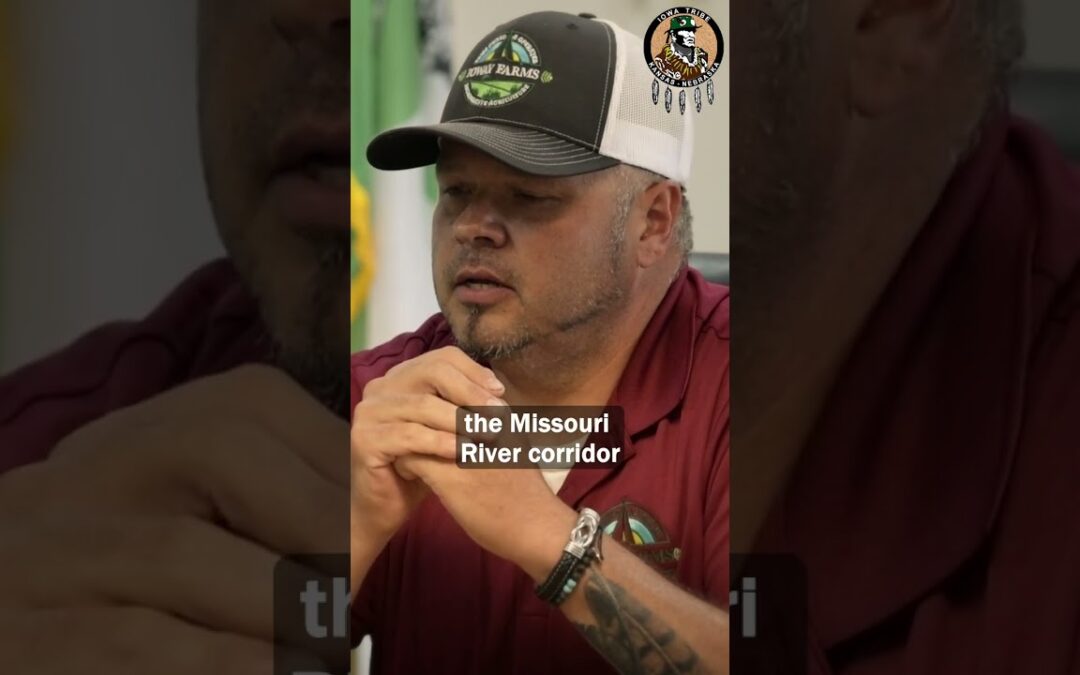
CERNA: Regenerative Agriculture for the Iowa Tribe of Kansas and Nebraska
This video discusses the Iowa Tribe of Kansas and Nebraska’s journey into #regenerativeagriculture through the CERNA program. CERNA stands for the Center of Excellence in Regenerative Native Agriculture. CERNA is funded by the USDA’s Climate Smart Commodity Program. They are providing the tribe with $5 million over five years to help promote #sustainablefarming practices. This benefits both their land and their community.
Another thing about CERNA is that they are dedicated to supporting producers with resources like tools, risk mitigation, testing, and data collection to encourage more #climatesmartagriculture . CERNA helps farmers make better informed choices that will support long-term productivity and ecological health for future generations to come. They are able to do this by focusing on strategies that are backed by science.
Why the Missouri River Corridor?
One of the main areas that CERNA focuses on is the Missouri River Corridor. This is an area where the farmland experiences both erosion and sediment loss. The runoff from this land contributes to water quality issues and soil degradation. Because of situations like this, CERNA promotes more regenerative practices, including #covercrops and #notillfarming . These practices help to keep topsoil in place while also improving water retention. Along with this, these practices also help to reduce sediment loss and enhance soil quality, which helps to create a healthier, more resilient ecosystem that will benefit both farmers and local communities.
Protecting Water Resources for the Future
Water conservation is essential, not only for agriculture, but also for the other ecosystems and the communities that need it. CERNA’s regenerative practices help to promote water infiltration and retention, which supports healthier soils and reduces the impact of runoff. Improving the soil structure will help to retain water. This keeps the farmland productive, while also protecting the waterways from sediment overload. These practices are focused on #soilhealth and water conservation and they contribute to a more sustainable agricultural landscape.
Empowering Farmers and Building Community Resilience
CERNA’s funding isn’t only about resources. It’s also about reducing the risks for producers as they switch to #sustainablepractices . Their support enables farmers to make choices that will benefit both their land and their people. CERNA’s approach combines Indigenous knowledge with regenerative techniques. This creates a holistic and more culturally mindful way of managing land that will benefit entire communities. Through investing in testing and data collection, CERNA provides farmers with insights that support more resilient, environmentally sound farming practices.
What Changes Can We Expect?
Through CERNA, the Iowa Tribe of Kansas and Nebraska expects visible improvement in their soil health, water conservation, and productivity as a whole. Reducing erosion, improving water infiltration, and having healthier soils all contribute to a stronger agricultural base. In turn, this supports food security, environmental quality, and community resilience. By adopting these practices, the Iowa Tribe is setting an example. They are demonstrating the benefits of climate-smart agriculture that protects resources for future generations.
A Vision for Sustainable Agriculture
CERNA is more than just a funding program. They are also a movement toward more resilient and sustainable farming. With this, the Iowa Tribe of Kansas and Nebraska are leading the way. They are setting an inspiring example for other tribal nations and communities. Along with this, CERNA’s focus on regenerative practices shows how climate-smart farming can support long-term environmental health and productivity.
Stay Connected!
Follow our channel for updates on the Iowa Tribe’s CERNA program. Watch as we document the positive impacts of regenerative practices in the Missouri River Corridor and witness the tribe’s journey to sustainable agriculture. #subscribe to stay connected with their efforts to create a climate-resilient future for their land and community.
Our mission: “Providing local leadership to protect and improve Kansas Natural Resources through collaboration, education and implementation.”
KACD helps forge key partnerships among federal, state, and local entities all committed to a common goal: wise and efficient conservation practices to protect the state’s natural resources. These partnerships spanning more than six decades have been highly effective and mutually beneficial, allowing for shared space, equipment, and knowledge.
Visit https://www.kacd.net/ for more information and to learn about our programs and resources!
Source
