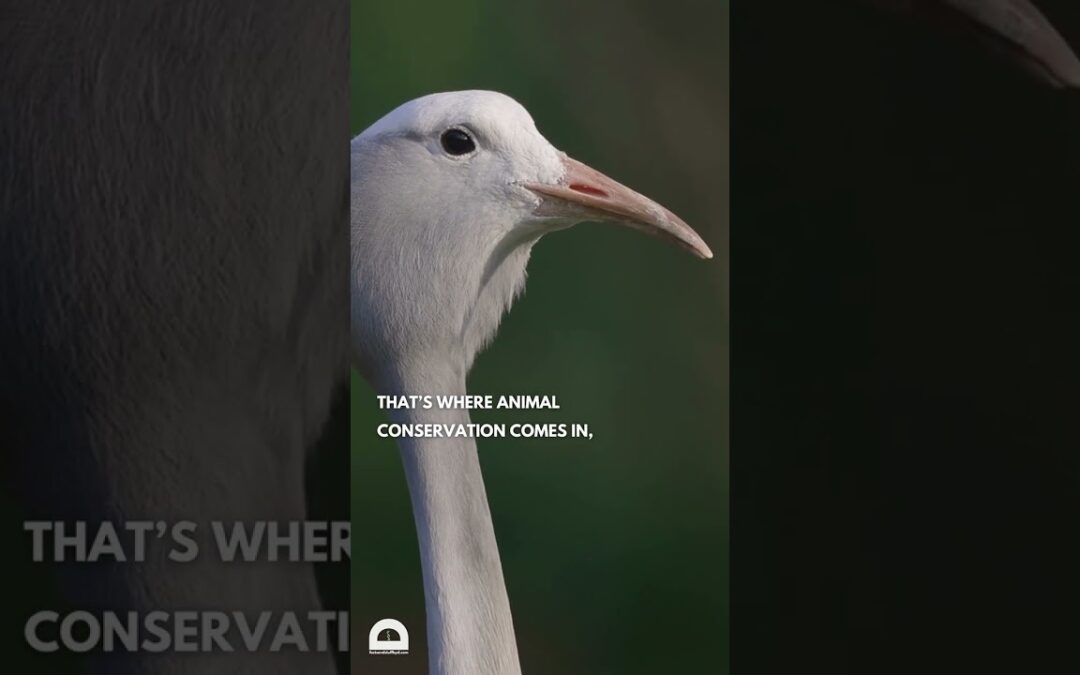
Animal conservation refers to the collective efforts aimed at protecting and preserving the world’s diverse animal species and their habitats. It involves a range of strategies, including research, habitat restoration, wildlife management, and public education. The primary goals of animal conservation are to prevent the extinction of species, maintain biodiversity, and ensure the long-term sustainability of ecosystems. Conservation initiatives focus on mitigating threats such as habitat loss, poaching, climate change, and pollution, while also promoting sustainable practices that promote coexistence between humans and animals. By safeguarding animal populations and their habitats, conservation efforts contribute to the overall health of ecosystems and the well-being of both wildlife and human communities.
Zoology is the scientific study of animals, encompassing a wide range of topics including their evolution, anatomy, behavior, physiology, and ecology. Zoologists seek to understand the diversity of animal life on earth, from single-celled organisms to complex vertebrates, by examining their biological processes and interactions with their environment. They also investigate the relationships between animals and their ecosystems, as well as the impact of human activities on these ecosystems. Zoology plays a vital role in conservation efforts, as scientists work to protect and preserve endangered species and their habitats. Overall, zoology is a fascinating field that helps us to better understand the natural world and the complex web of life that we are a part of.
#shorts
Source
