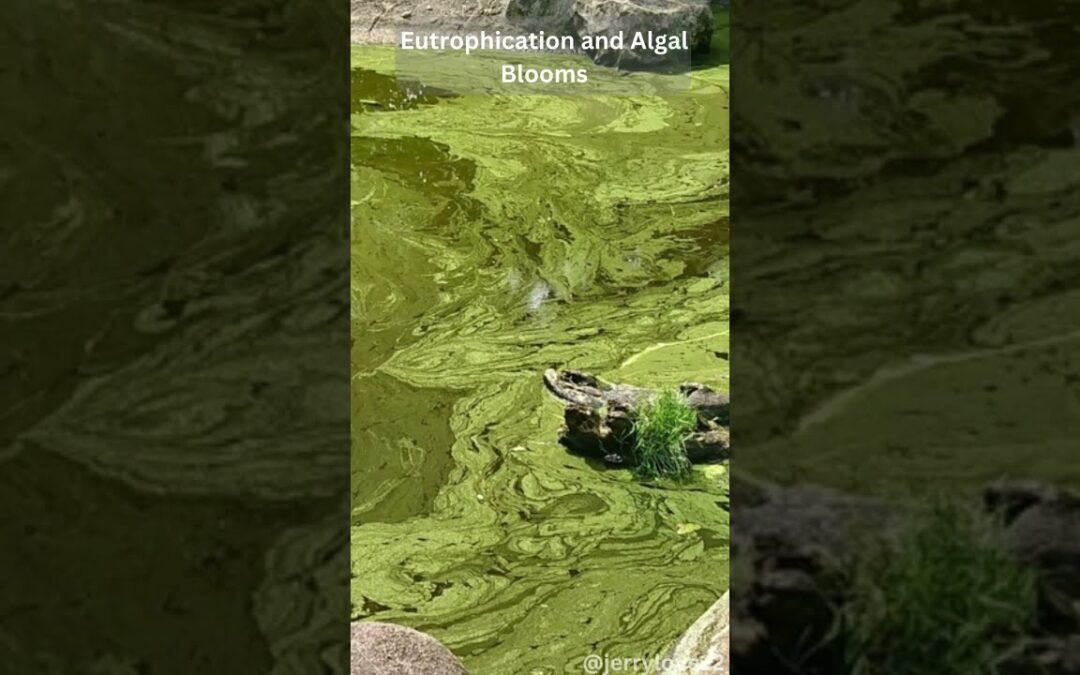
Eutrophication and algal blooms are interconnected environmental phenomena that occur in aquatic ecosystems, primarily in bodies of water such as lakes, rivers, and coastal areas. They are often the result of human activities that lead to excessive nutrient loading in these ecosystems. Here’s an overview of each concept:
Eutrophication:
Eutrophication is the process by which a water body becomes enriched with nutrients, primarily nitrogen and phosphorus compounds. These nutrients are essential for plant growth, including aquatic plants and algae. However, when there’s an excess of these nutrients due to human activities like agriculture runoff, sewage discharge, and industrial pollution, it can lead to unintended consequences.
The eutrophication process involves several stages:
Nutrient Enrichment: Excessive nutrients are introduced into the water, often from agricultural runoff or wastewater discharges.
Algal Growth: Increased nutrient levels lead to the rapid growth of algae (phytoplankton) in the water body.
Algal Blooms: Algal populations can grow explosively, forming dense clusters known as algal blooms. These blooms can have various negative effects on the ecosystem.
Decreased Oxygen: As algae die and decompose, bacteria break down the organic matter, consuming oxygen in the process. This can lead to reduced oxygen levels in the water, causing “dead zones” where aquatic life struggles to survive.
Fish Kills: In severe cases, the lack of oxygen and the release of toxins by some algae species can lead to fish kills and the decline of other aquatic organisms.
Algal Blooms:
Algal blooms are a visible manifestation of eutrophication. They occur when certain types of algae experience rapid and excessive growth, often due to the abundant nutrients present in the water. Algal blooms can vary in color and may include species like cyanobacteria (blue-green algae) and diatoms. Some blooms produce harmful toxins, known as harmful algal blooms (HABs), which can have detrimental effects on aquatic life, animals that consume the water, and even humans through contaminated drinking water or recreation.
Harmful algal blooms can lead to:
Toxicity: Some algal species produce toxins that can be harmful to aquatic organisms, animals, and humans. These toxins can affect the nervous system, liver, and other organs.
Water Quality Issues: The presence of large algal blooms can degrade water quality, affecting clarity, taste, and odor.
Economic Impact: Algal blooms can harm industries that rely on clean water, such as fisheries, tourism, and recreational activities.
Source
