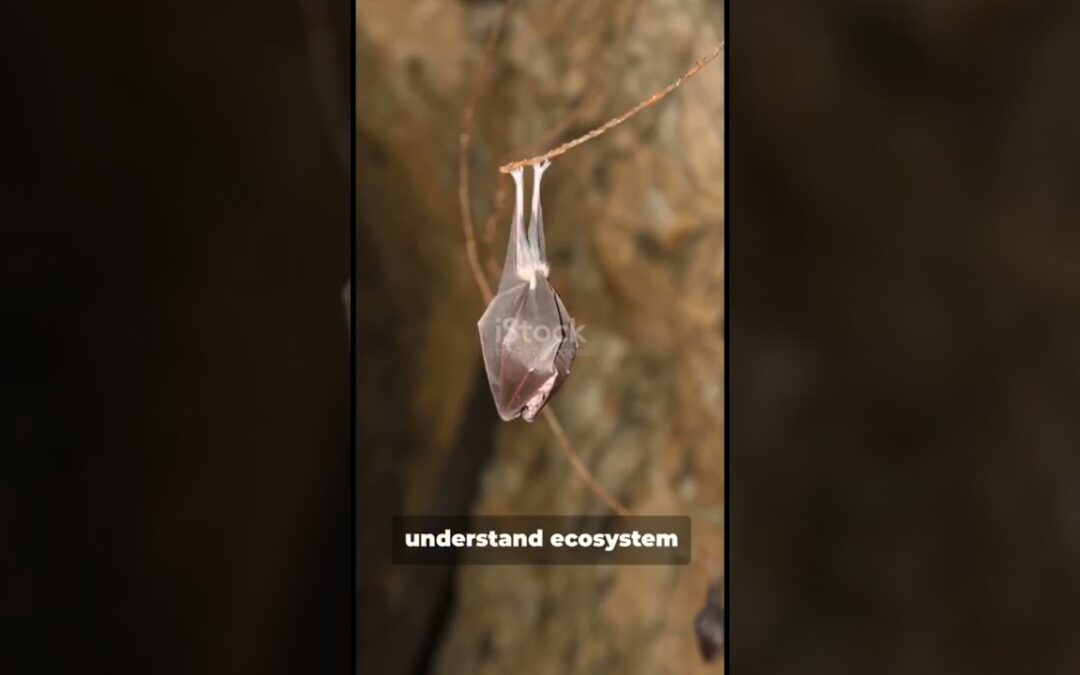
Bats play several crucial roles in maintaining healthy ecosystems:
1. **Pest Control:**
Many bat species feed on insects, including agricultural pests, helping to naturally control insect populations and reduce the need for chemical pesticides.
2. **Pollination:**
Some bats, particularly fruit bats and nectar-feeding bats, are important pollinators for various plants, including many tropical and desert plants. This helps ensure the reproduction of these plants and maintains biodiversity.
3. **Seed Dispersal:**
Fruit-eating bats contribute to seed dispersal by consuming fruits and excreting the seeds far from the parent plant. This promotes plant diversity and forest regeneration.
4. **Nutrient Cycling:**
Bats’ guano (feces) is a rich source of nutrients and acts as a natural fertilizer, enriching soils and promoting plant growth.
5. **Cave Ecosystems:**
Bats are integral to cave ecosystems, providing nutrients through their guano, which supports unique cave-dwelling organisms and maintains the ecological balance within these environments.
6. **Indicators of Ecosystem Health:**
Bats can serve as indicators of environmental health. Changes in bat populations can signal shifts in ecosystem health, such as habitat loss or climate change.
Bats’ diverse roles help maintain ecological balance, support plant reproduction, and control insect populations, making them vital for healthy ecosystems.
Source
