Bees play an important role in our environment and agriculture. They work as some of the main #pollinators for many different plants, including many crops that are essential to our food system. However, bees are currently facing deadly threats from certain human agricultural practices. These practices include the widespread use of pesticides, herbicides, fungicides, and genetically modified organisms (GMOs). Even just a small amount of exposure to these chemicals can harm bees in ways that aren’t always immediately apparent. While a small dose might not kill a bee directly, when it brings these contaminants back to the hive, they can have devastating effects on the colony’s health.
This video goes through the efforts that the Iowa Tribe of Kansas and Nebraska have put in place to protect their bee populations by promoting bee-safe agricultural practices. Unlike conventional farming, that often relies heavily on chemical applications and GMO crops, the Iowa Tribe has adopted a more sustainable, regenerative approach. By planting non-GMO crops and using pesticides, herbicides, and fungicides, only when absolutely necessary. The Tribe has created an environment that supports healthier bee colonies.
The harm caused by chemicals in agriculture extends beyond just the immediate toxicity. When bees gather #pollen and nectar from plants that are treated with these substances, they are unknowingly carrying the contaminants back to the hive. In the hive, the poisoned pollen and nectar are fed to the queen and young bees. This exposure disrupts their brood cycle, which causes the young bees to become sick, fail to develop, or even die before they hatch. Over time, this cycle of contamination will weaken the hive and can ultimately lead to what is known as “colony collapse,” where entire bee colonies disappear. This phenomenon not only threatens bee populations but also serves as an alarming indicator of the overall health of our environment.
The Iowa Tribe’s approach demonstrates how regenerative practices can directly benefit pollinators like bees, which will help support our ecosystems health as a whole. Since the Tribe began planting #nongmo crops, and reducing chemical usage, their local beekeeper has seen a large increase in hive numbers and fewer colony losses. This is a positive change that shows how proactive measures can help reverse the threats faced by bees and contribute to more resilient agricultural systems.
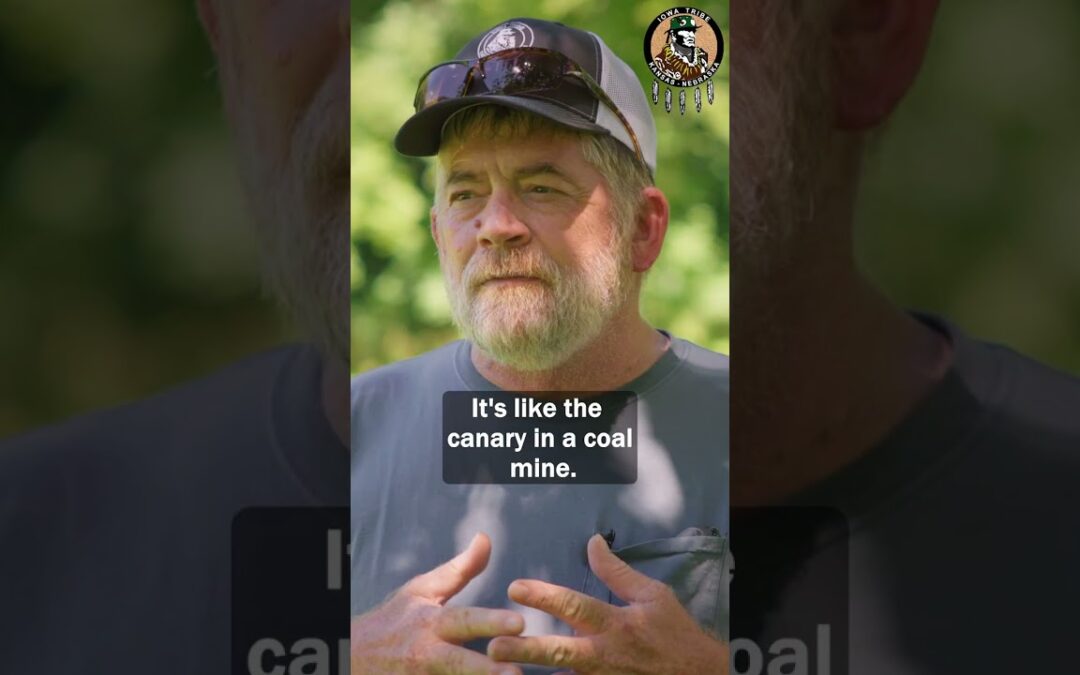
The #beekeeper describes bees as a “canary in a coal mine” for environmental health. As in, they send early warning signals about the impacts of agricultural practices. When hives struggle to survive or collapse altogether, it is often a sign that harmful chemicals are at play. Paying attention to these signals allows us to adjust our practices, not only to protect bees but also to foster a healthier and more sustainable environment for all.
In addition to protecting bees, the Iowa Tribe’s efforts reflect a bigger commitment to land stewardship and respect for natural ecosystems. Their focus on #regenerativeagriculture aligns with Indigenous principles of living in harmony with nature and ensuring that agricultural practices support long-term environmental health. By choosing to prioritize non-GMO crops, and minimize chemical use, they’re not only protecting pollinators. They are also contributing to a sustainable future that values biodiversity and ecological resilience.
Watch this video to learn more about the steps being taken to protect bees, the importance of bee-safe practices in agriculture, and the positive impact that #regenerativefarming has on pollinator health. The Iowa Tribe of Kansas and Nebraska’s approach is a powerful reminder that sustainable practices can help secure a better future for pollinators, people, and the planet.
Bees need to be protected as best as possible so they can continue to do their job. We need bees to provide the #pollination that the United States demands. As people, we are able to help protect bees by not planting crops that are going to harm them. This short discusses how the Iowa Tribe of Kansas and Nebraska do just that.
Our mission: “Providing local leadership to protect and improve Kansas Natural Resources through collaboration, education and implementation.”
KACD helps forge key partnerships among federal, state, and local entities all committed to a common goal: wise and efficient conservation practices to protect the state’s natural resources. These partnerships spanning more than six decades have been highly effective and mutually beneficial, allowing for shared space, equipment, and knowledge.
Visit https://www.kacd.net/ for more information and to learn about our programs and resources!
Source
