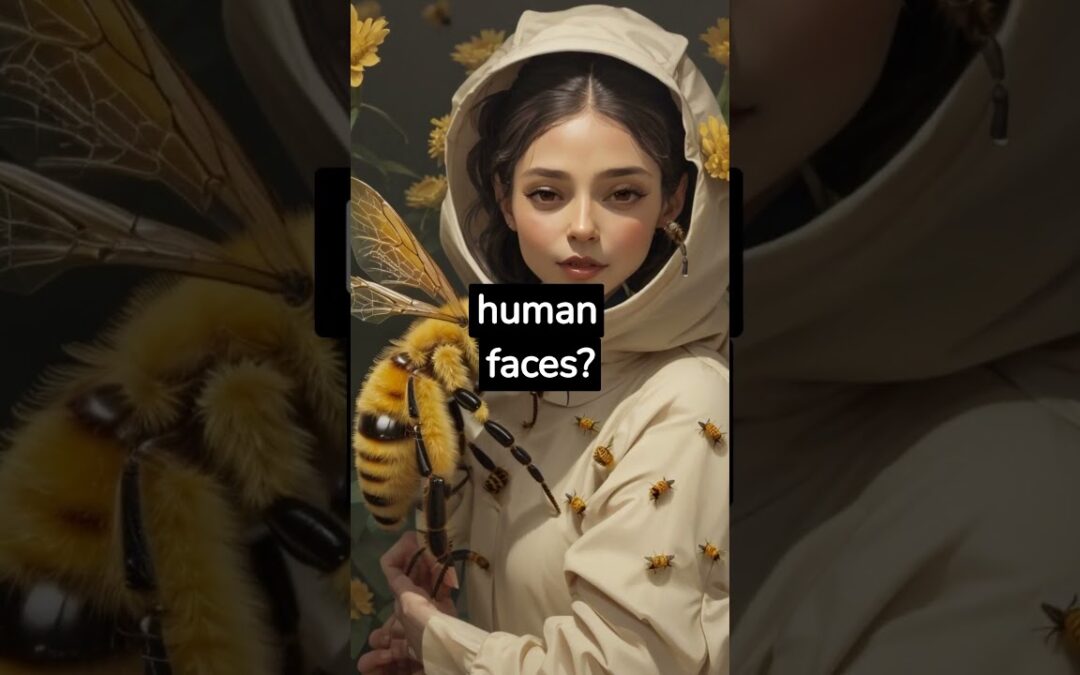
Bees are highly specialized insects essential for plant pollination and honey production. Here is a keyword description of these important creatures:
Polarizing Insects: Bees are polarizing insects that belong to the Hymenoptera group and are essential for the reproduction of many plants.
Hives: Many species of bees live in organized hives, with a social structure that includes a queen, workers and drones.
Honey: Bees produce honey from the nectar of flowers that they collect and store in their hives.
Pollination: Their activity of collecting nectar and pollen contributes to the pollination of crops and wild plants, which is essential for food production.
Teamwork: Bees work as a team to collect nectar and pollen, and to care for brood and the hive queen.
Communication: They use a variety of chemical and tactile signals to communicate in the hive and during foraging.
Stings: Some bee species can sting as a form of defense, releasing venom that can be dangerous to allergic humans.
Biodiversity: There are thousands of bee species worldwide, each with specific adaptations to its environment.
Threats: Bees face threats such as habitat loss, pesticide use and parasites affecting hives.
Ecological importance: Bees play a crucial role in the pollination of plants that form the basis of many food chains and ecosystems.
Bee production: Beekeeping is the keeping of bees and the collection of honey, wax and other hive-related products.
Family members: Bees are related to wasps and ants, being part of the order Hymenoptera.
These keywords provide an overview of bees, which are vital insects for pollination and food production, as well as a keystone species in natural ecosystems. Their care and conservation are essential for biodiversity and food security.
Source
