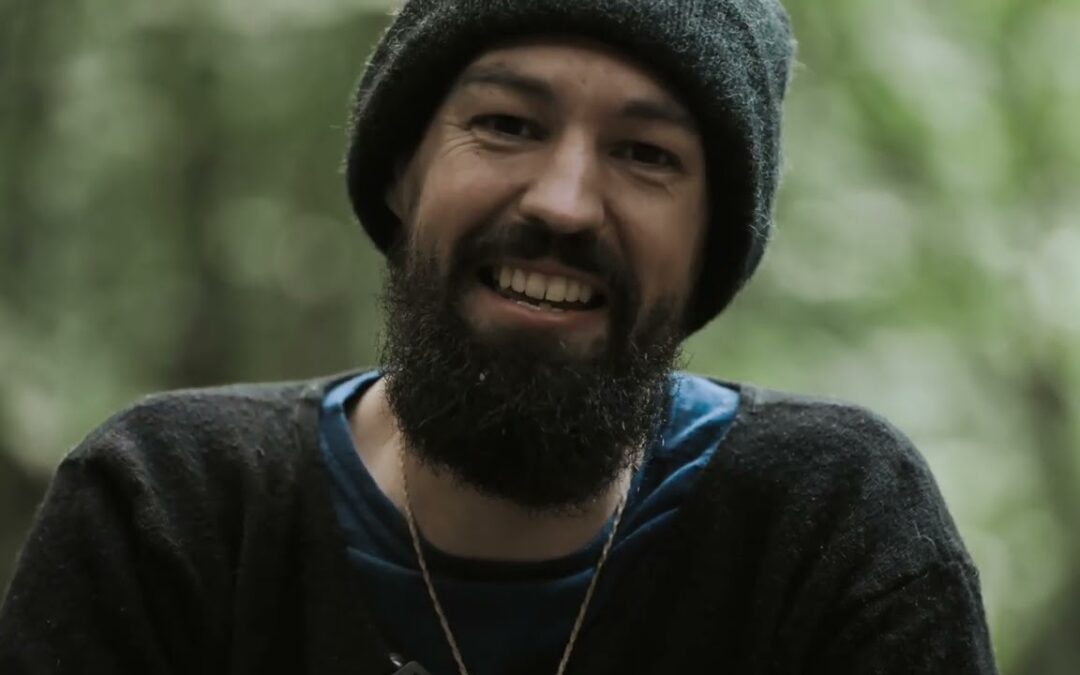
In the heart of New Zealand’s Northern Island, the Eastern Whio Link project, spearheaded by Sam Gibson, stands as a testament to the power of community-driven conservation efforts. This initiative is pivotal in addressing the challenges posed by invasive species that threaten the region’s unique ecosystems. At the core of the project is the strategic deployment of A24 traps, a humane and efficient solution designed to control populations of non-native predators such as rats, stoats, and weasels. These invasive species have historically wreaked havoc on New Zealand’s native fauna and flora, disrupting the delicate ecological balance.
0:00:00 Introduction to Eastern Whio Link
0:00:48 Trapping Non-Native Predators
0:01:36 Balancing Hunting and Conservation
0:02:26 Impact on Biodiversity
Sam Gibson, deeply connected to the land, leads a dedicated team of volunteers who tirelessly work to protect and restore the natural environment. Their efforts are not limited to trapping alone; the project embraces a holistic approach that includes hunting and fishing. This multifaceted strategy not only curtails the impact of invasive species but also fosters a thriving ecosystem where native species can flourish. By reducing the pressure from these predators, the project supports the resurgence of indigenous wildlife and plant life, contributing to the overall health and diversity of the ecosystem.
The Eastern Whio Link project exemplifies how targeted interventions can lead to significant ecological restoration. Sam’s commitment to conservation underscores the vital role of community involvement and innovative practices in safeguarding New Zealand’s natural heritage. His work highlights the importance of balancing human activities with environmental stewardship to ensure the sustainability of the region’s rich biodiversity.
Join us in supporting initiatives like the Eastern Whio Link project that are making a tangible difference in preserving our planet’s natural wonders.
Source
