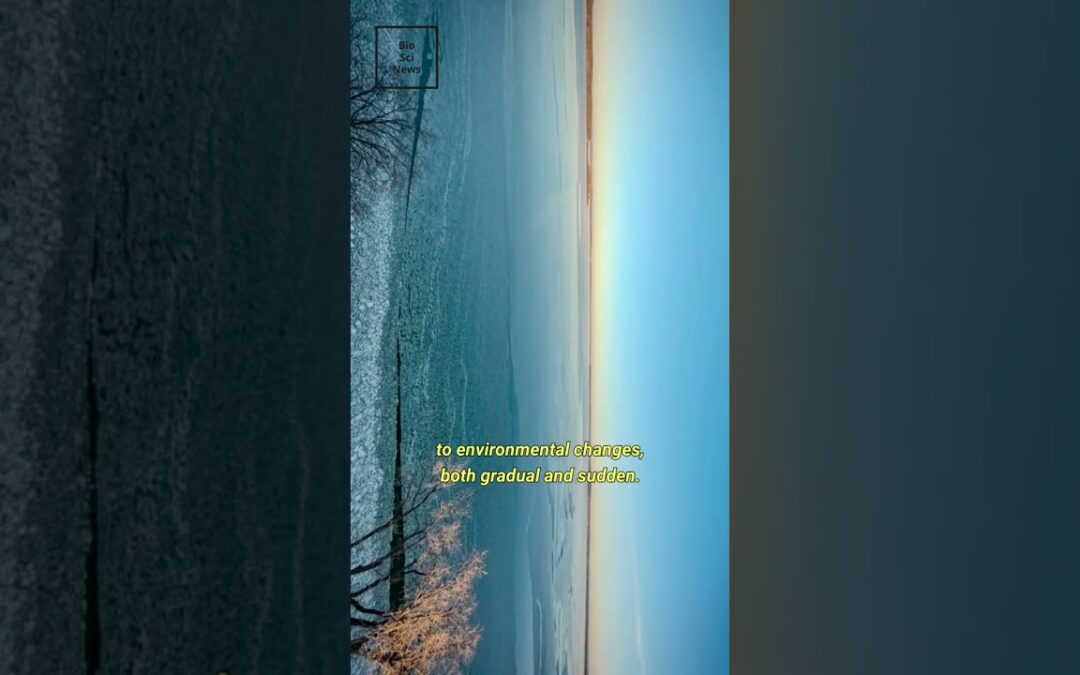
Did you know bacteria in Lake Mendota, Wisconsin, are evolving in strange, repeating loops? Over 20 years, scientists studied nearly 3,000 bacterial genomes and found that 80% of bacteria undergo seasonal genetic changes, cycling back to their original states each year. A hot, dry summer in 2012 caused a major genetic shift linked to nitrogen metabolism, highlighting how microbes adapt to environmental changes. These findings reveal the intricate connection between ecology and evolution, offering insights into how climate change might reshape aquatic ecosystems. In this video, we explore the fascinating science behind Lake Mendota’s microbial world, how bacteria adapt to seasonal shifts, and what this means for our understanding of evolution and carbon cycles. Don’t miss this eye-opening look at evolution in action!
Source:
1. “Two decades of bacterial ecology and evolution in a freshwater lake.” – Nature Microbiology, 2025.
( https://doi.org/10.1038/s41564-024-01888-3 )
Source
