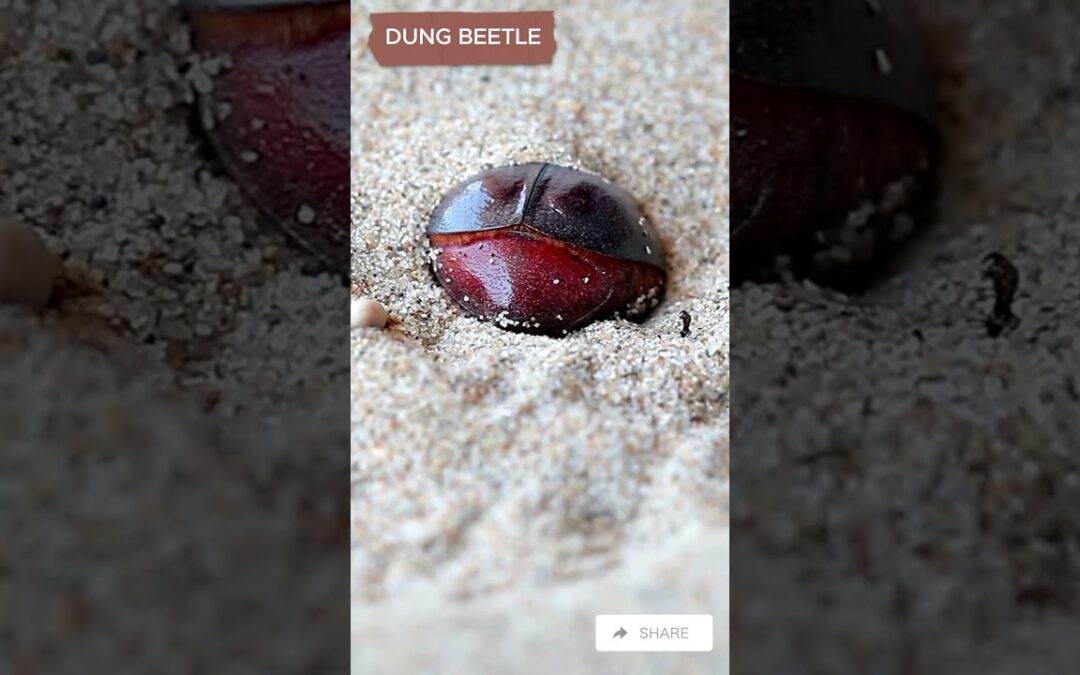
Dung beetles are fascinating insects with some remarkable behaviors and adaptations. Here are some fun facts about dung beetles:
1. Recycling Experts: Dung beetles play a vital role in ecosystems by recycling animal dung. They help break down and bury dung, which not only cleans up the environment but also enhances soil fertility.
2. Strong Navigators: Some dung beetles are known for their exceptional navigation skills. They use the Milky Way and other celestial cues to navigate in a straight line away from a dung pile, ensuring they don’t return to the same pile and face competition from other beetles.
3. Impressive Strength: Dung beetles are incredibly strong relative to their size. Some species can roll dung balls that are up to 50 times their own body weight. This feat is particularly impressive when considering their small size.
4. Different Roles: Dung beetles can be categorized into three main groups based on their dung-handling behavior: rollers, tunnelers, and dwellers. Rollers shape dung into balls and roll them away to bury or consume later, tunnelers bury dung directly in the ground, and dwellers live within dung piles.
5. Diverse Diet: While dung is their primary food source, some dung beetles may also feed on decaying vegetation or fungi found in the dung.
6. Rapid Decomposers: Dung beetles help break down dung quickly, which not only reduces the presence of disease-causing organisms but also minimizes greenhouse gas emissions from the dung.
7. Varied Sizes: Dung beetles come in various sizes, from less than 1 centimeter to over 6 centimeters in length, depending on the species. Their colors and shapes also vary greatly.
8. Parental Care: Some species of dung beetles exhibit fascinating parental care behaviors. The female lays eggs in the dung ball, and when the larvae hatch, they feed on the dung provided by their parents.
9. Ancient Creatures: Dung beetles have been around for a very long time. Fossil evidence suggests that they have existed for at least 30 million years, and they may have been helping with dung disposal since the time of the dinosaurs.
10. Global Distribution: Dung beetles can be found on every continent except Antarctica. They have adapted to various climates and ecosystems, from deserts to rainforests.
11. Benefits to Agriculture: Dung beetles are beneficial to agriculture because they help remove livestock dung from pastures, which can improve soil quality and reduce the need for chemical fertilizers.
These facts highlight the remarkable adaptations and ecological importance of dung beetles in various ecosystems around the world.
Source
