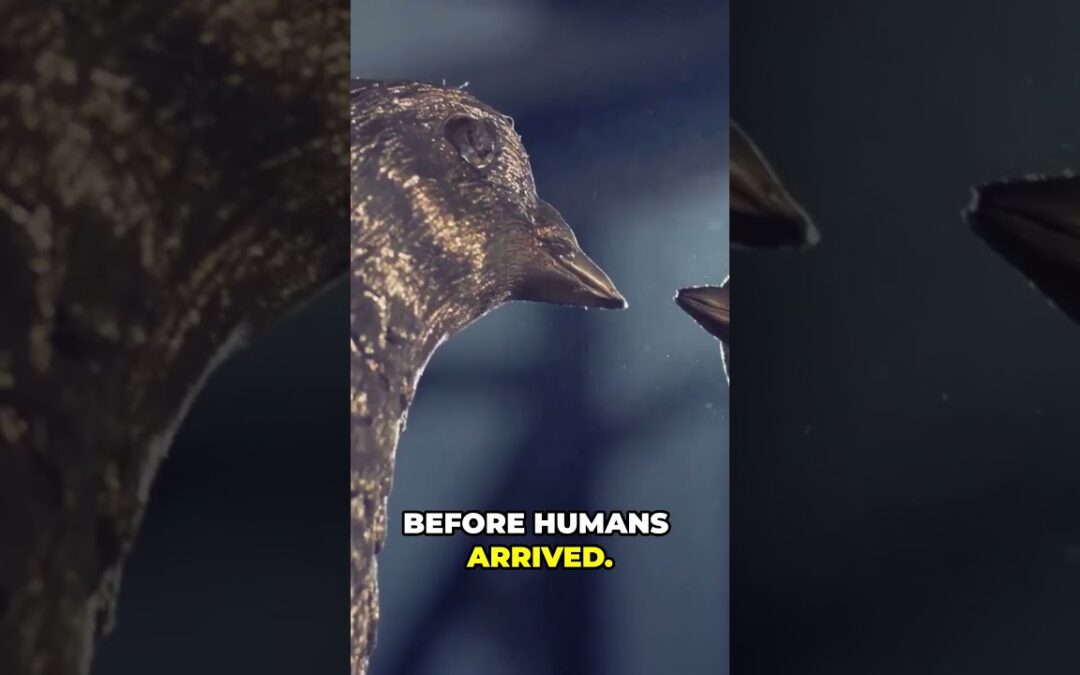
History of Bird Extinctions in the 17th Century: Dodo
The Dodo (Raphus cucullatus) is one of the most famous examples of human-driven extinction. This flightless bird, native to the island of Mauritius, became extinct in the 17th century due to a combination of overhunting, habitat destruction, and the introduction of non-native species.
Taxonomy
Scientific Name: Raphus cucullatus
Family: Columbidae
Order: Columbiformes
Description
The Dodo was a large, flightless bird, standing about 1 meter (3.3 feet) tall and weighing around 10-18 kg (22-40 pounds). It had a stout body, large head, and a distinctive hooked beak. The bird’s plumage was primarily greyish-brown, with a tuft of curly feathers at the tail. Its wings were small and underdeveloped, making it completely flightless.
Behavior and Ecology
The Dodo lived in the forests of Mauritius and fed primarily on fruits, seeds, nuts, and possibly small land invertebrates. It is believed that the Dodo nested on the ground and had no natural predators on the island before humans arrived. The bird was curious and unafraid of humans, which made it easy prey. Its diet likely played a role in the dispersal of certain plant species on Mauritius, contributing to the island’s ecosystem.
Extinction
The extinction of the Dodo was caused by a combination of factors following the arrival of European settlers in the late 16th century. The bird was hunted for food by sailors and settlers. Additionally, the introduction of invasive species like rats, pigs, and monkeys led to predation on Dodo eggs and competition for food. Habitat destruction further accelerated the decline. By 1681, the Dodo was extinct, marking one of the first recorded cases of human-caused extinction.
Source
