History of Bird Extinctions in the 17th Century: Mascarene Teal
The Mascarene Teal (Anas theodori) was a species of duck native to the Mascarene Islands in the Indian Ocean, specifically Mauritius and Réunion. This species went extinct in the 17th century, likely due to a combination of overhunting and habitat loss.
Taxonomy
Scientific Name: Anas theodori
Family: Anatidae
Order: Anseriformes
Description
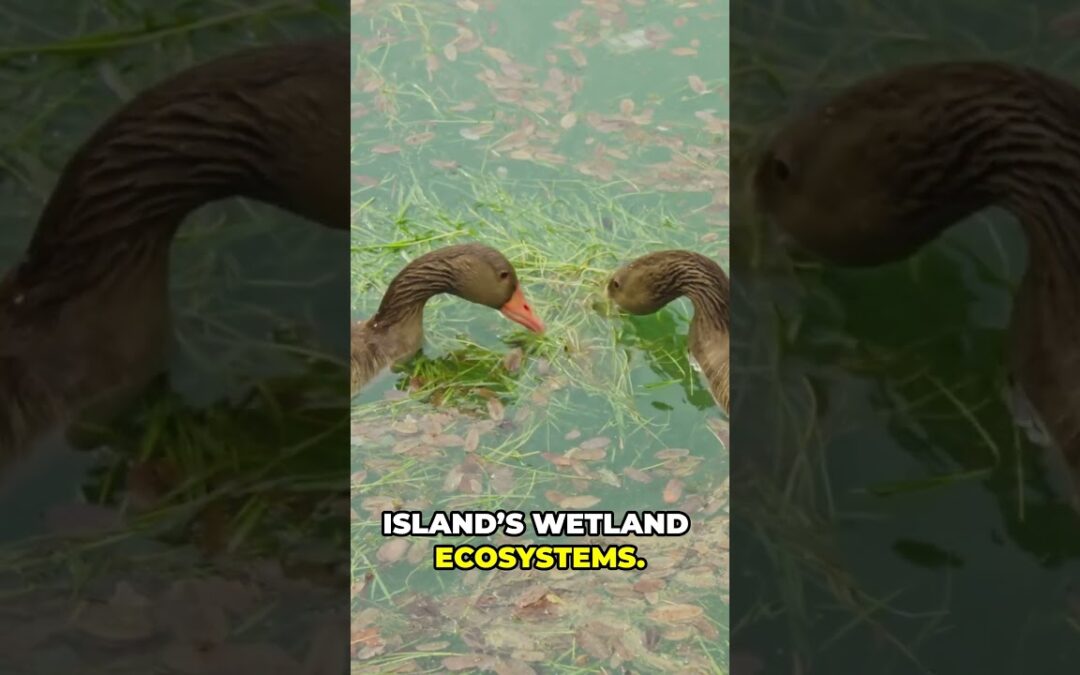
The Mascarene Teal was a small to medium-sized duck, similar in appearance to other species of teal. It had a predominantly brown plumage with lighter underparts and a distinctive, slightly hooked bill. The exact details of its appearance are not well-documented due to its extinction before modern scientific study, but it is believed to have had traits common to other teal species, such as webbed feet for swimming and a compact body.
Behavior and Ecology
The Mascarene Teal likely inhabited freshwater wetlands, rivers, and marshes, feeding on aquatic plants, insects, and small invertebrates. Like other ducks, it was probably a good swimmer and diver, using its beak to forage in water and mud. It may have lived in small flocks and played a role in controlling insect populations and maintaining the health of wetland ecosystems.
Extinction
The extinction of the Mascarene Teal was driven by overhunting by European settlers and habitat destruction. The introduction of invasive species, such as rats and cats, likely had a devastating impact on its eggs and young. The bird’s habitat was further diminished by deforestation and wetland drainage for agriculture. By the late 1600s, the Mascarene Teal had disappeared, leaving no known specimens.
Source
