History of Bird Extinctions in the 18th Century: Bay Thrush
The Bay Thrush (Turdus ulietensis) was a species of thrush native to the Society Islands in the Pacific Ocean. This bird went extinct in the 18th century due to habitat destruction and the introduction of invasive species.
Taxonomy
Scientific Name: Turdus ulietensis
Family: Turdidae
Order: Passeriformes
Description
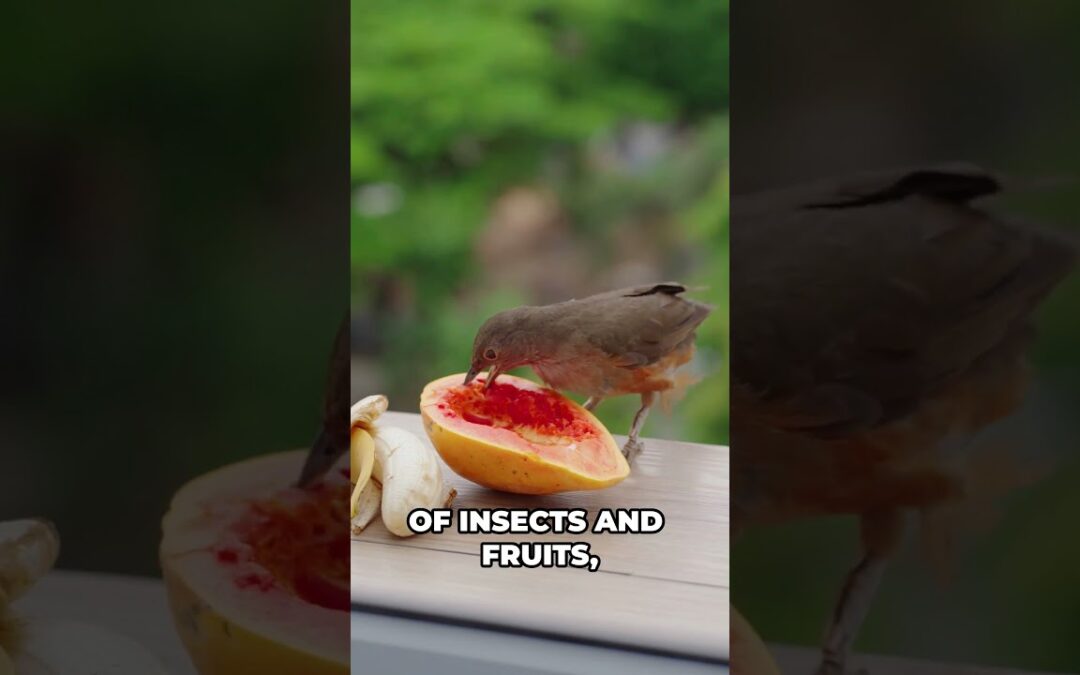
The Bay Thrush was a small to medium-sized bird with reddish-brown plumage, particularly on its back and wings, and a paler underbelly. It had a slender body, a sharp beak suited for catching insects and pecking at fruits, and long legs adapted for perching and walking. Its plumage helped it blend into the forest environment.
Behavior and Ecology
The Bay Thrush was likely a solitary bird or lived in pairs, foraging in the forest understory for food. It would have been most active during the day, singing melodious calls typical of thrush species. The bird played an important role in seed dispersal and insect control within the island’s ecosystem.
Food
The diet of the Bay Thrush included a variety of insects, fruits, and small invertebrates. Its sharp beak allowed it to peck at fruits and catch insects, contributing to its survival in the forest understory.
Strength
The Bay Thrush’s strength was its adaptability to different food sources, such as insects and fruits. Its ability to forage on both the ground and in trees allowed it to thrive in various forest habitats.
Extinction
The extinction of the Bay Thrush was primarily due to habitat destruction from deforestation as European settlers cleared forests for agriculture. The introduction of invasive species, such as rats and cats, led to predation on its eggs and young birds, further accelerating its decline. By the late 18th century, the Bay Thrush had disappeared from the Society Islands.
Source
