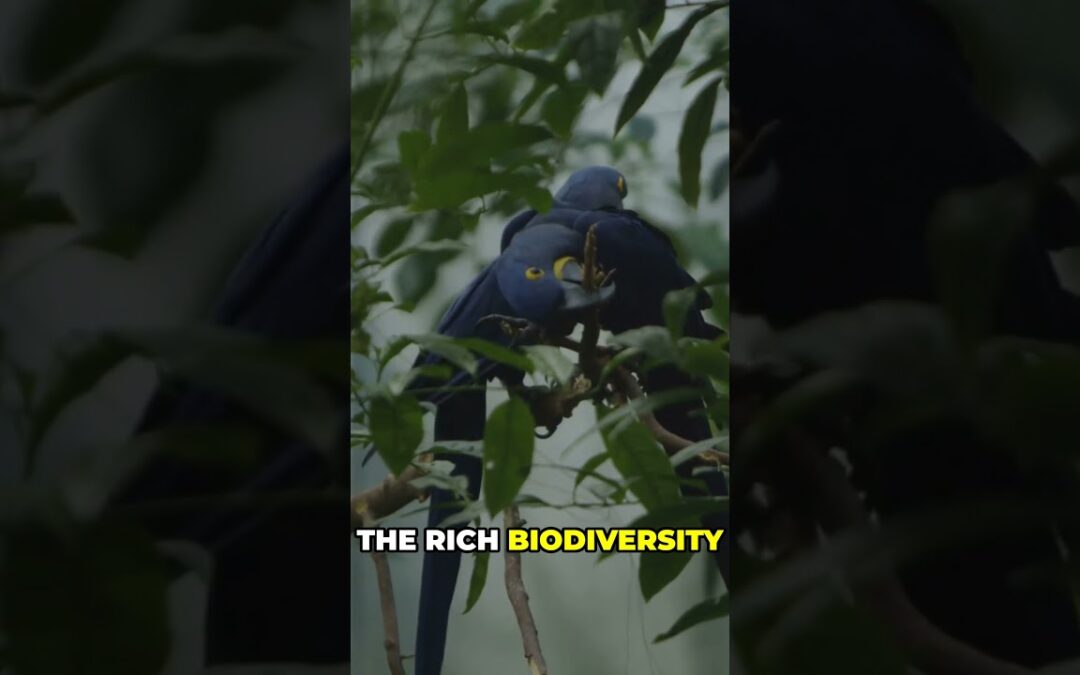
History of Bird Extinctions in the 18th Century: Oceanic Eclectus Parrot
The Oceanic Eclectus Parrot (Eclectus infectus) was a colorful parrot species native to several Pacific islands, including Tonga, Vanuatu, and Fiji. This parrot became extinct in the 18th century due to human impact and habitat destruction.
Taxonomy
Scientific Name: Eclectus infectus
Family: Psittaculidae
Order: Psittaciformes
Description
The Oceanic Eclectus Parrot was a medium-sized bird with bright, vibrant feathers. Like other Eclectus parrots, it exhibited sexual dimorphism: males were primarily green with red and blue highlights, while females had red and blue plumage. It had a strong, curved beak for cracking seeds and fruits, and its feathers had a glossy, almost iridescent appearance.
Behavior and Ecology
This parrot likely lived in forested areas, foraging high in the canopy. It was a social bird, living in flocks, and communicated through loud calls. The Oceanic Eclectus Parrot played an important role in seed dispersal across the islands, helping to maintain the biodiversity of the region’s forests.
The bird was territorial during the breeding season and known to roost in tree cavities.
Food
The diet of the Oceanic Eclectus Parrot consisted mainly of fruits, seeds, nuts, and flowers. Its strong beak allowed it to break open hard seeds and nuts, making it a key player in the dispersal of seeds in its environment.
Strength
The parrot’s primary strength was its powerful beak, which allowed it to access a wide variety of food sources, including hard-to-crack seeds. Its flight ability helped it cover large distances in search of food.
Extinction
The extinction of the Oceanic Eclectus Parrot was driven by deforestation, as humans cleared forests for agriculture. Overhunting also played a role, as the parrot was captured for the pet trade. The introduction of invasive species like rats and cats increased predation on the bird’s eggs and chicks. By the late 18th century, this species had disappeared from the Pacific islands.
Source
