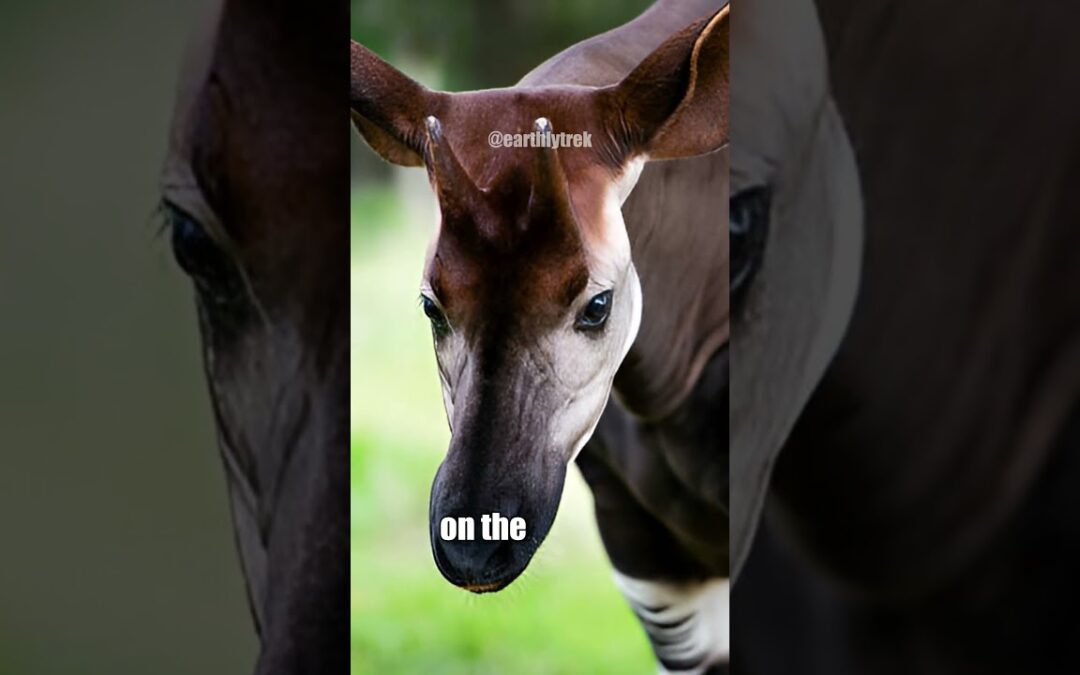
The okapi is a unique species native to the Democratic Republic of Congo in Africa. It has a striking appearance, resembling a combination of a giraffe and a zebra. Despite its distinctive physical features, the okapi has often been overlooked or misunderstood due to its elusive nature and the remote habitat it inhabits.
.
.
.
OKAPI↴
The Okapi, also known as the “forest giraffe,” is a unique and elusive creature found in the dense rainforests of the Democratic Republic of Congo. Its striking appearance features zebra-like stripes on its hindquarters and a long, flexible neck resembling that of a giraffe. Despite its resemblance to other animals, the Okapi is actually the only living relative of the giraffe. With its secretive nature and fascinating physical attributes, the Okapi continues to captivate and intrigue wildlife enthusiasts around the world.
1. Unique Appearance: The Okapi showcases a fascinating blend of features, with the body resembling a horse and the head reminiscent of a giraffe. It stands about 5 to 6 feet tall (1.5 to 1.8 meters) at the shoulder and has a dark brown coat with striking white stripes on its hindquarters and legs.
2. Habitat: Okapis are native to the dense rainforests of the Democratic Republic of Congo in Central Africa. They thrive in the understory of the forest, preferring areas with dense vegetation and access to water sources.
3. Shy and Elusive: Okapis are known for their elusive nature, making them challenging to spot in the wild. They are primarily solitary creatures and are incredibly cautious, relying on their excellent hearing and camouflage to avoid predators.
4. Herbivorous Diet: Okapis are herbivores, feeding on a variety of plant species, including leaves, fruits, buds, and ferns. They have a long, flexible tongue that they use to strip leaves from branches.
5. Conservation Status: Okapis are listed as “Endangered” by the International Union for Conservation of Nature (IUCN). They face numerous threats, including habitat loss due to deforestation, illegal hunting, and civil unrest in their native range.
6. Ecological Importance: Okapis play a vital role in the rainforest ecosystem. As selective browsers, they help shape plant communities by consuming specific plant species and spreading seeds through their droppings.
7. Reproduction and Parenting: Female Okapis give birth to a single calf after a gestation period of around 14 to 16 months. The calf remains hidden in dense vegetation for the first few months of its life for protection.
8. Conservation Efforts: Various organizations and conservation groups are working tirelessly to protect the Okapi and its habitat. Conservation initiatives focus on anti-poaching efforts, community engagement, and promoting sustainable land-use practices in the region.
9. Cultural Significance: The Okapi holds cultural significance for the indigenous people of the Congo Basin. It is considered a symbol of the region’s rich biodiversity and serves as a flagship species for conservation efforts.
By delving into the world of the Okapi, we can gain a deeper understanding of the challenges they face and the importance of preserving their rainforest home. Join us on this journey of discovery as we unravel the mysteries of the Okapi and celebrate the beauty of Africa’s unique wildlife.
.
.
.
If you enjoy watching this video, we would greatly appreciate it if you could consider subscribing to our channel. By subscribing, you’ll support us in creating more high-quality videos filled with valuable information that we believe everyone should know during their lifetime.
.
.
.
↦ We welcome and encourage you to share your feedback here : earthlytrek@gmail.com
.
.
.
PEACE!!
#okapi #nature #wildlife #africa #rainforest #earthlytrek
Source
