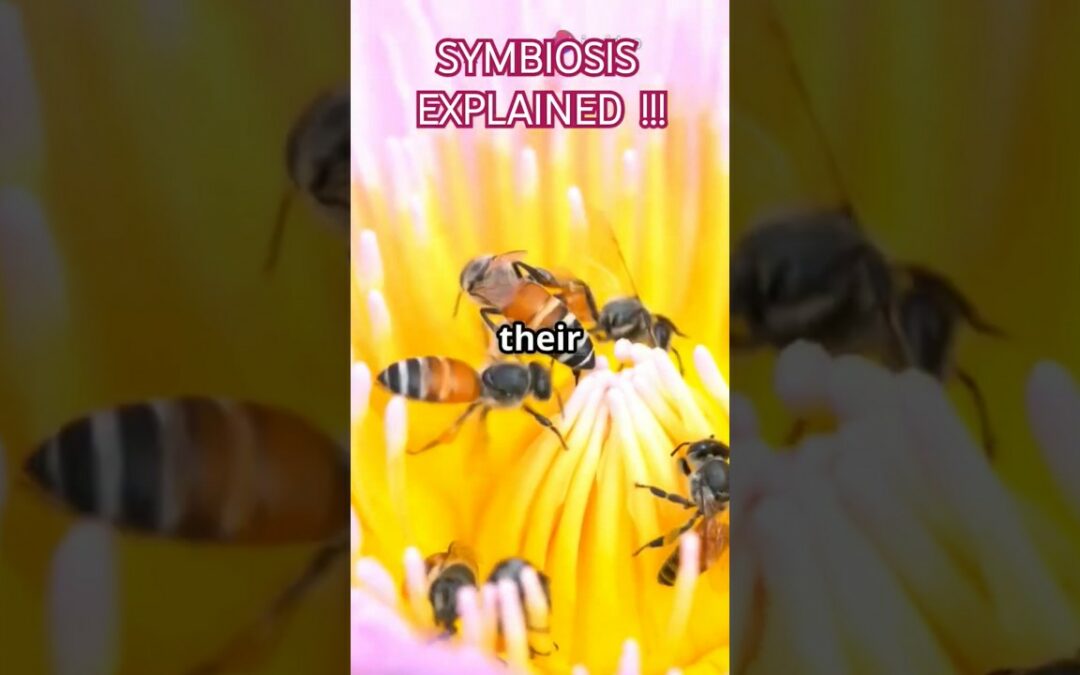
Dive into the wild world of symbiosis! Discover how creatures team up, trick each other, or even live as one in nature’s most mind-blowing partnerships. From cleaner fish to sneaky parasites, this video unravels the epic dance of survival that keeps ecosystems thriving. Watch now and get hooked on nature’s ultimate collabs! #Symbiosis #NatureLovers #Wildlife
#Symbiosis #Nature #Wildlife #Ecology #Mutualism #Parasitism #Commensalism #Science #NatureDocumentary #Biodiversity #AnimalBehavior #ViralNature #EcoWarriors
Explain mutualism examples
Explore ecosystem dynamics
#SymbiosisExplained #NatureTeamwork #ScienceForKids #SpecialEdScience #BiologyBasics #EcoWarriors #NatureLovers #ClassroomScience #WildlifeFacts #LearnWithUs
#SymbiosisDefinition #MutualismExamples #Commensalism #Parasitism #Ecosystems #BiologyEducation #Endosymbiosis #Mycorrhizae #GutMicrobiome #EvolutionaryBiology
#Biology #Ecosystems #NatureFacts #WildlifeEducation #ScienceExplained #AnimalKingdom #NatureVibes #EcoLearning #EnvironmentalScience #Wilderness
What is symbiosis, and what are its main types?
People frequently search for the definition of symbiosis and its classifications: mutualism (both organisms benefit), commensalism (one benefits, the other is unaffected), and parasitism (one benefits, the other is harmed). This is a foundational question for students and educators.
What are real-world examples of symbiotic relationships?
Common queries focus on examples like clownfish and sea anemones (mutualism), remoras and sharks (commensalism), or fleas and dogs (parasitism). These are popular due to their vivid, relatable imagery for teaching.
How does mutualism differ from commensalism and parasitism?
This question is highly searched by students distinguishing between symbiotic interactions, often for quizzes or exams. It’s a key topic in biology curricula.
Why is symbiosis important in ecosystems?
Searches often explore symbiosis’s role in biodiversity, nutrient cycling (e.g., nitrogen-fixing bacteria in legumes), and ecosystem stability, like coral reefs or mycorrhizal fungi with plants.
What is the role of symbiosis in evolution?
Advanced searches, inspired by Lynn Margulis’s work, ask how symbiosis drives evolution (e.g., endosymbiosis leading to mitochondria or chloroplasts). This appeals to those diving into evolutionary biology.
How do cleaning symbioses, like cleaner fish, work?
The fascinating behavior of cleaner fish (e.g., Bluestreak Cleaner Wrasse) at “cleaning stations” is a popular query, highlighting mutualism in marine ecosystems.
What is endosymbiosis, and how does it occur?
Questions about endosymbiosis, where one organism lives inside another (e.g., algae in corals), are common, especially regarding its evolutionary significance.
How do symbiotic relationships affect human health?
Searches often cover gut microbiota, exploring how symbiotic bacteria aid digestion, immunity, or cause disease if imbalanced. This connects biology to everyday life.
Can symbiotic relationships change over time?
People ask whether facultative (optional) symbioses can evolve into obligate (essential) ones or if mutualism can shift to parasitism, reflecting interest in dynamic ecological interactions.
symbiosis
#physics
#facts
#ytshorts
#alberteinstein
#youtubeshorts
#science
#cascudo कलकत्ता
#education
#class7
#@natural_albertovich
@SpecialGuruG
#studywithme
#how
#whatsappstatus
@WhatsIdea
#whatsapp_status
@SpecialEdhub
@cwsn5830
@SymbioteLeonHD
@symbiossofttech
Source
